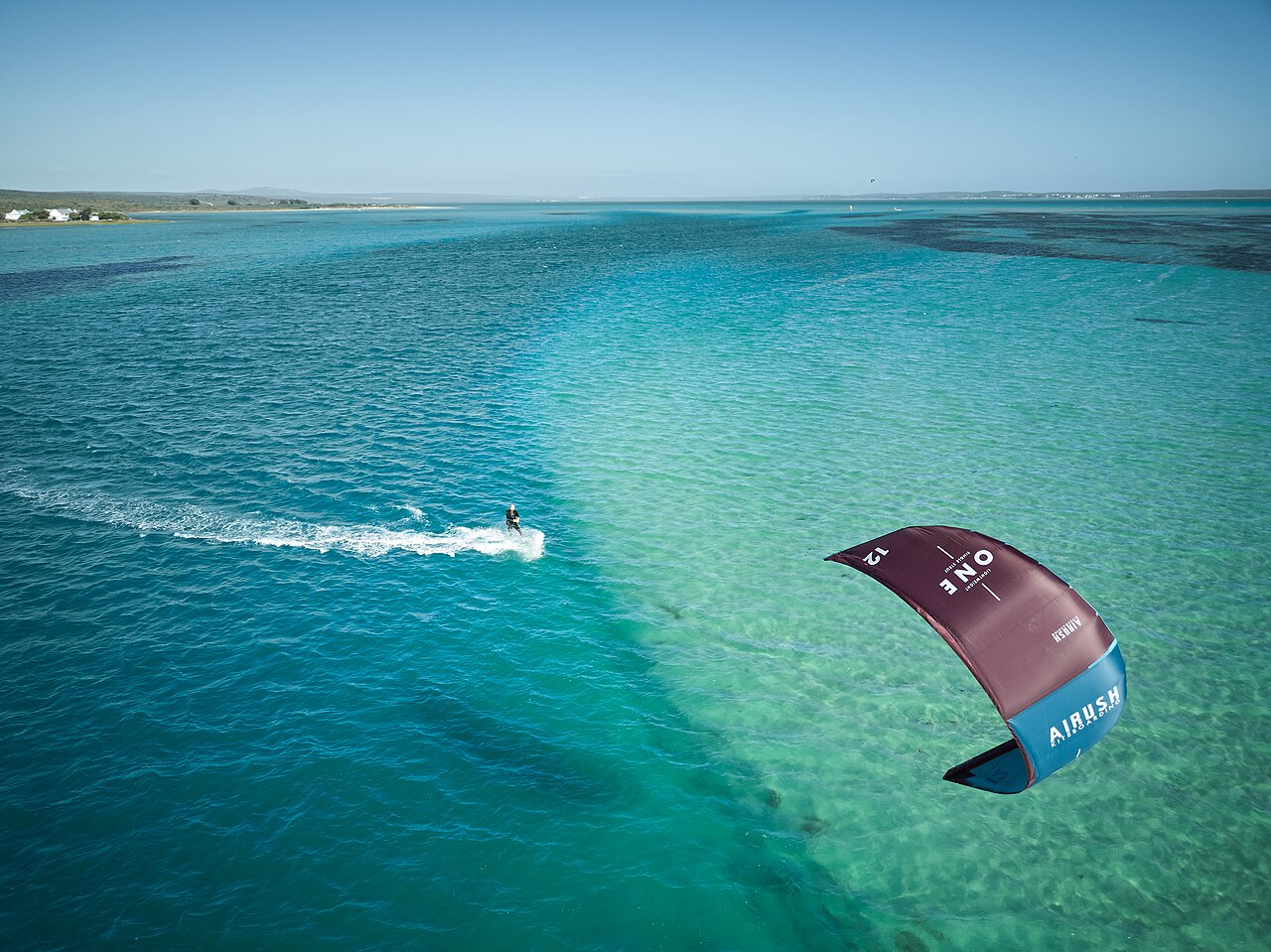
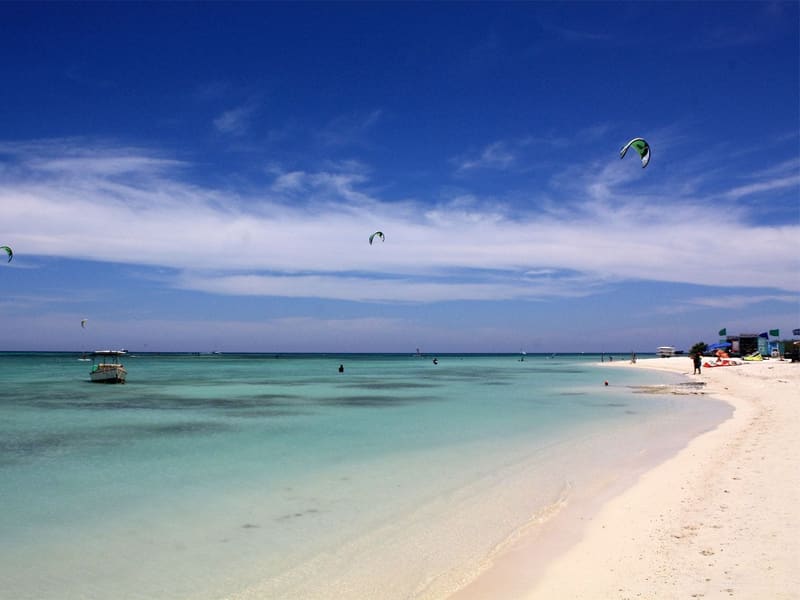
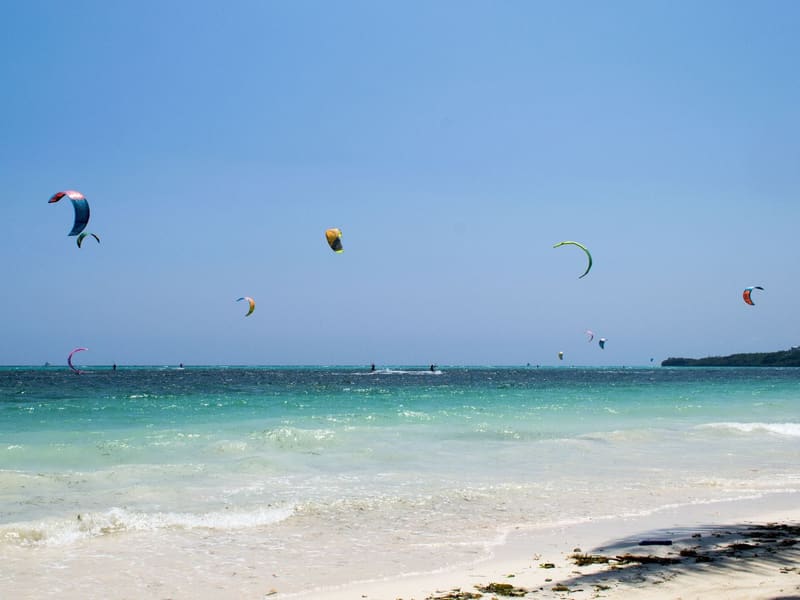
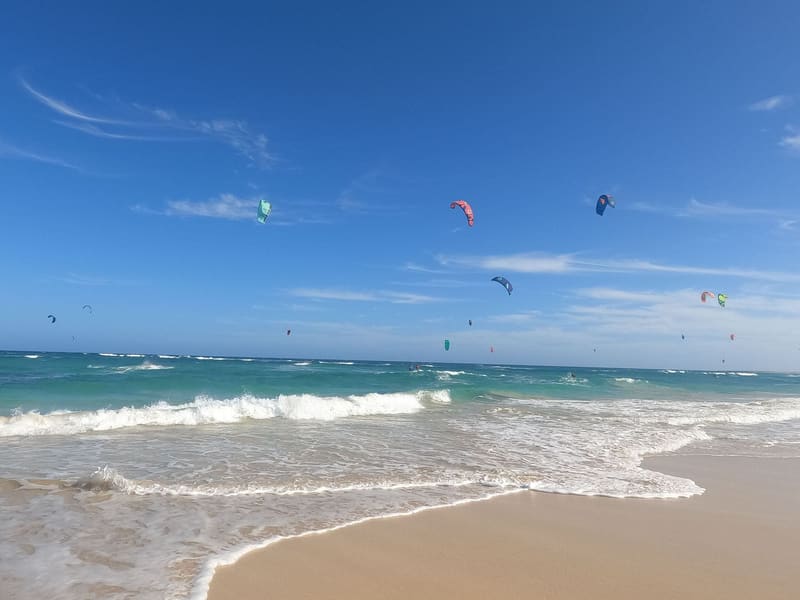
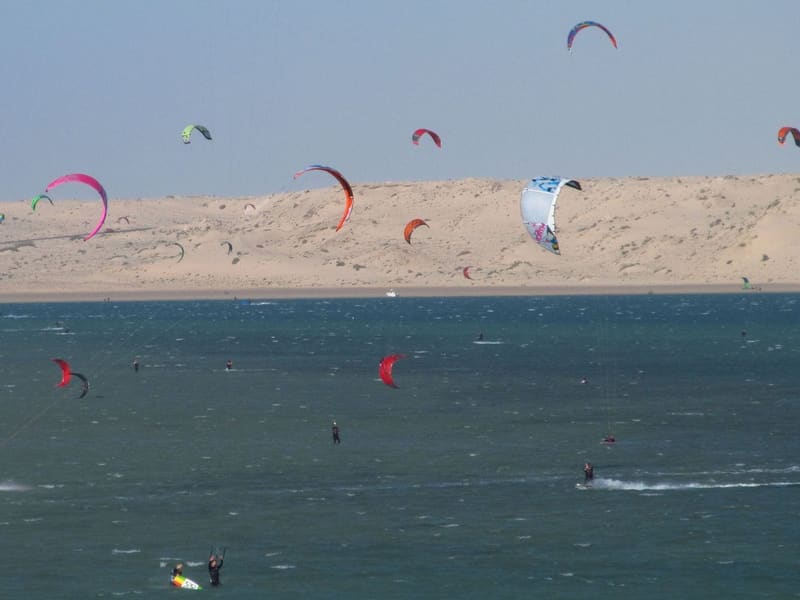
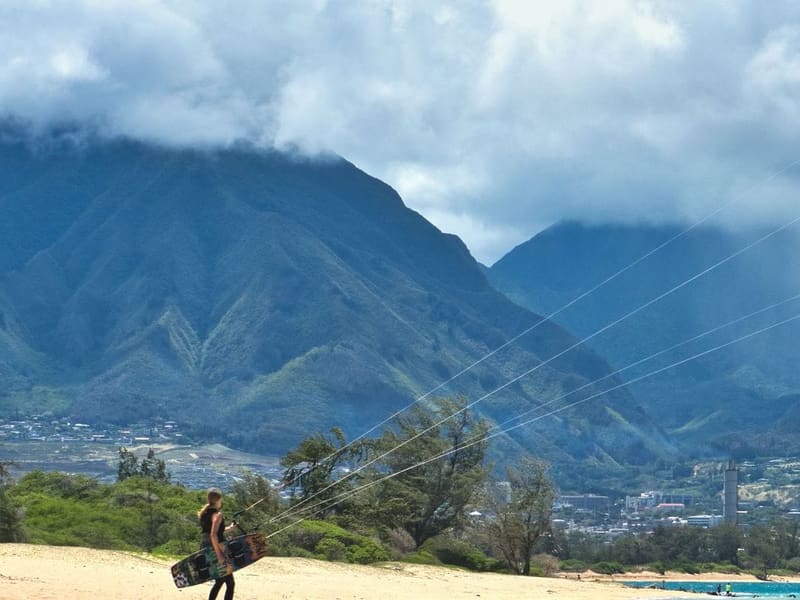
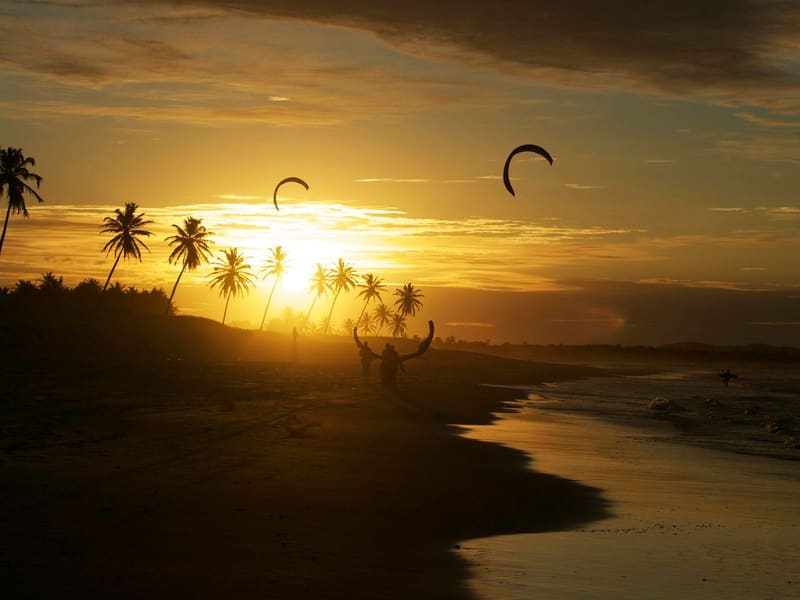
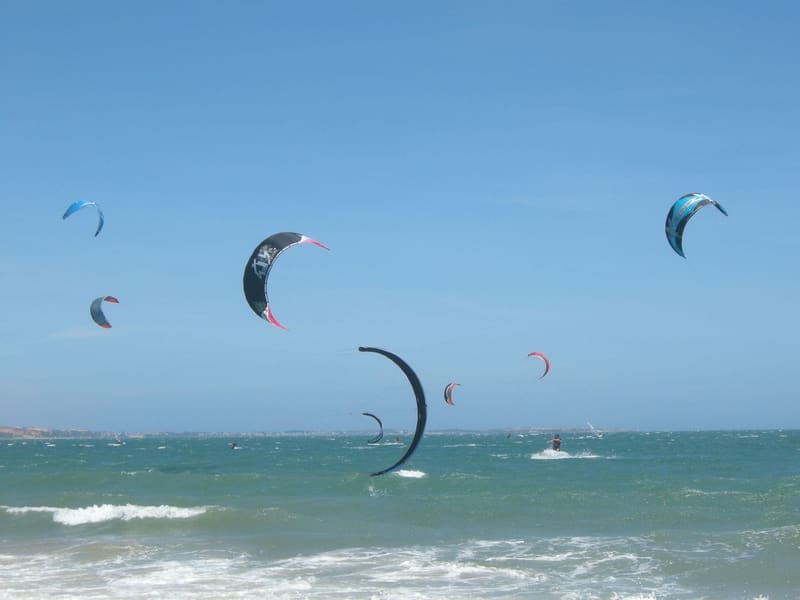
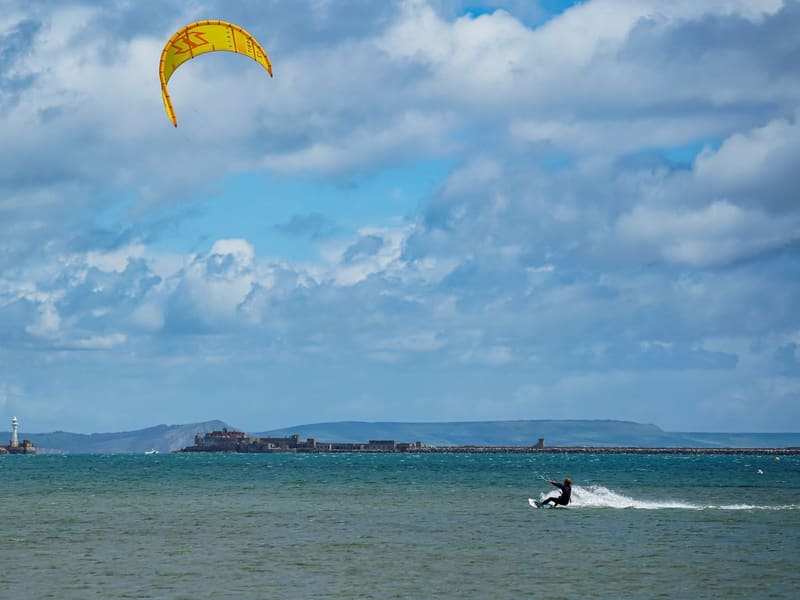
Kiters learn in waist-deep, side-onshore water at Shark Bay, then move to Main Beach for the room and the deep water. More than three days in four clear 12 knots in November and January, and the afternoon is the time to go.
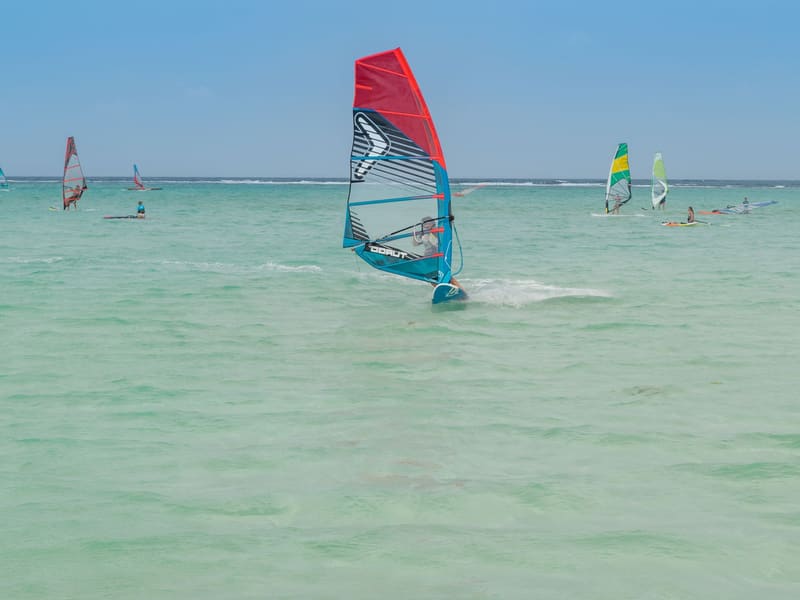
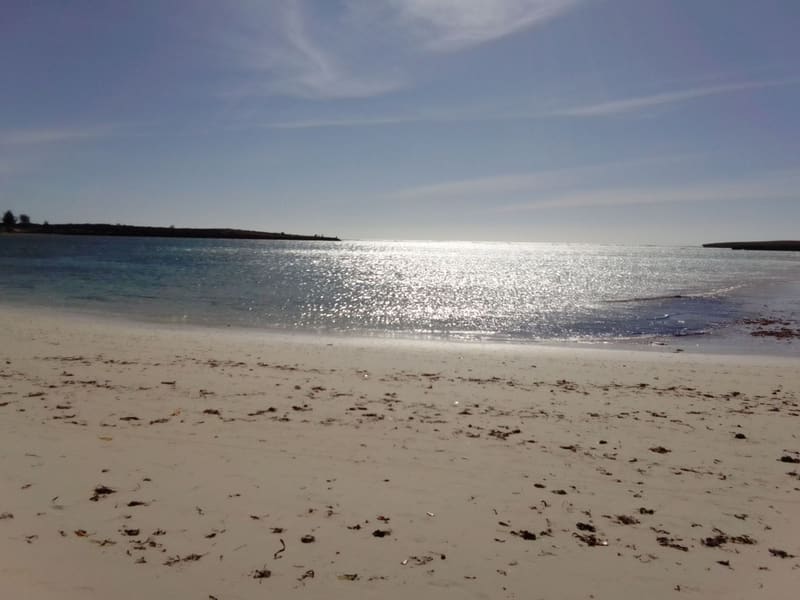
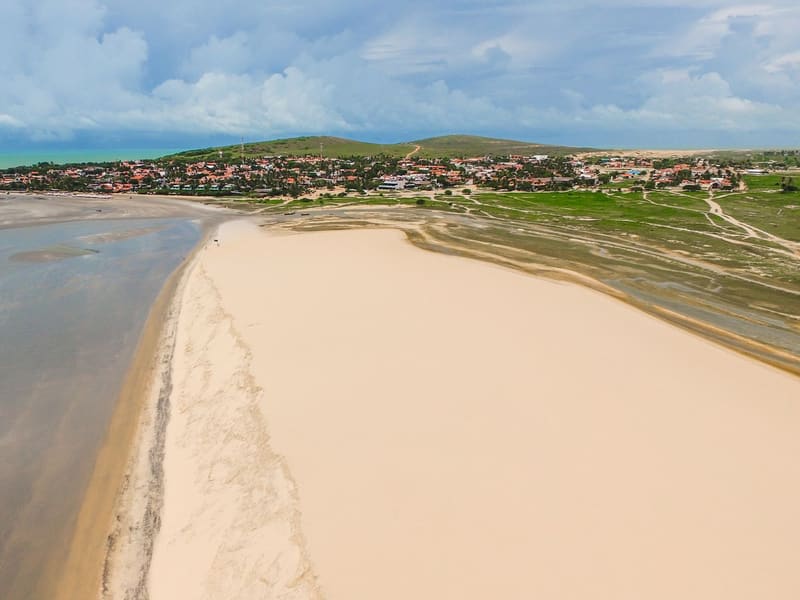
Langebaan Lagoon is shallow, turquoise water inside the West Coast National Park, about 90 minutes north of Cape Town up the R27. You come for flat water and the Cape Doctor, the Cape’s summer south-easter. Two launches take most of the riding: Main Beach in the village and Shark Bay, just round the corner. They are a five to ten minute drive apart and the wind can blow very differently at each, so if one is not working, try the other.
October to February is the heart of it. In November and January more than three days in four clear 12 knots for three daylight hours or more. October, December and February each give you about two in three or better. March still works on about half its days. In winter what wind there is swings north to north-west, and May is the quietest month, under three days in ten.
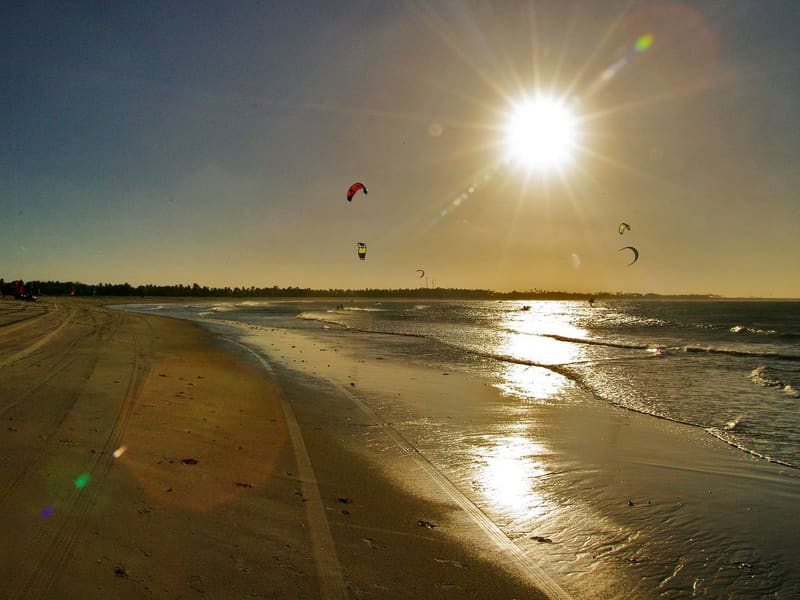
This is an afternoon wind, so skip the alarm. At the Langebaanweg air base, inland, about one January day in five clears 12 knots at 10am, two in three by 4pm, and it holds into the early evening. The south-easter can get going in the morning, while the south-wester tends to fill in around midday. Early mornings and light days belong to the foilers.
Shark Bay is the one you learn on, named for the harmless sand shark. You get flat, shallow water with side-onshore wind, about waist deep at full high tide, and at its best with the tide rising just before high. Park at the top of the hill and carry your kit down a winding path. The beach is small, with bushes round it, and it can get very crowded. At high tide space can run short, but you can launch in the shallows.
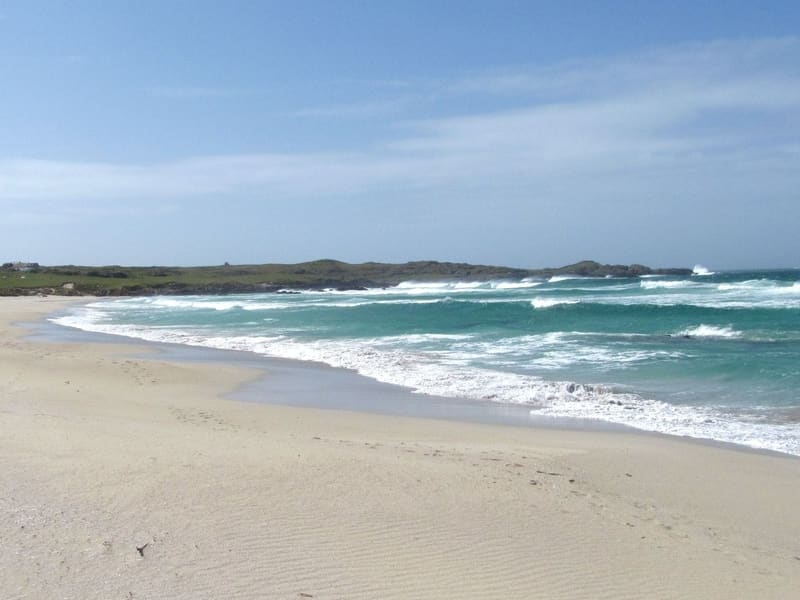
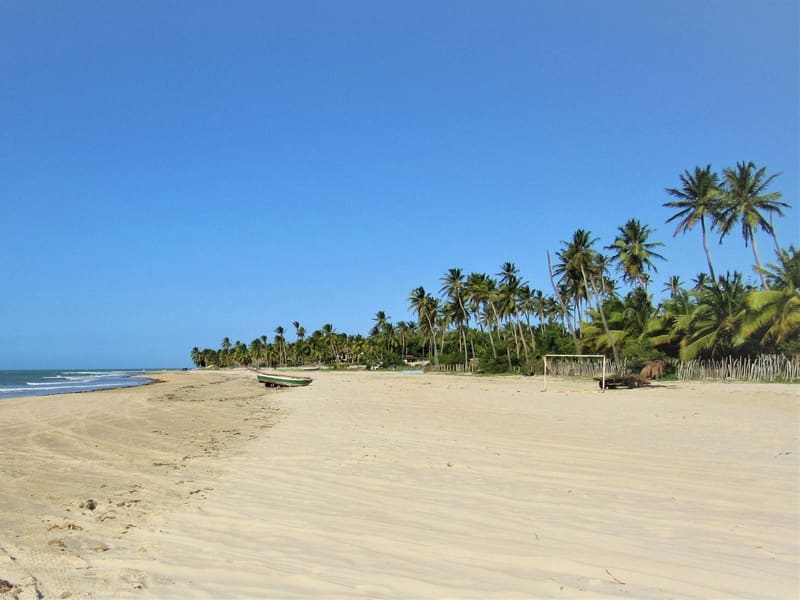
Main Beach, in the village, gives you a better beach and a lot more room, with choppier water and generally side-shore wind. The water gets very deep as you ride away from the beach and the current can be strong. This is the side for more experienced riders. North Beach, straight off the Cape Sports Center, is side-offshore and sometimes has waves.
Watch the tide as closely as the wind. The incoming tide makes for butter-flat water, and around the turn a little chop can work through the channel. Langebaan is known for boards going missing, so keep an eye on the tide and you will know which way to chase yours. Foilers, mind the shallow spots and sandbars at Shark Bay, or fit a short mast. Main Beach has some shells on the sand, and booties can be handy on shells and stones.
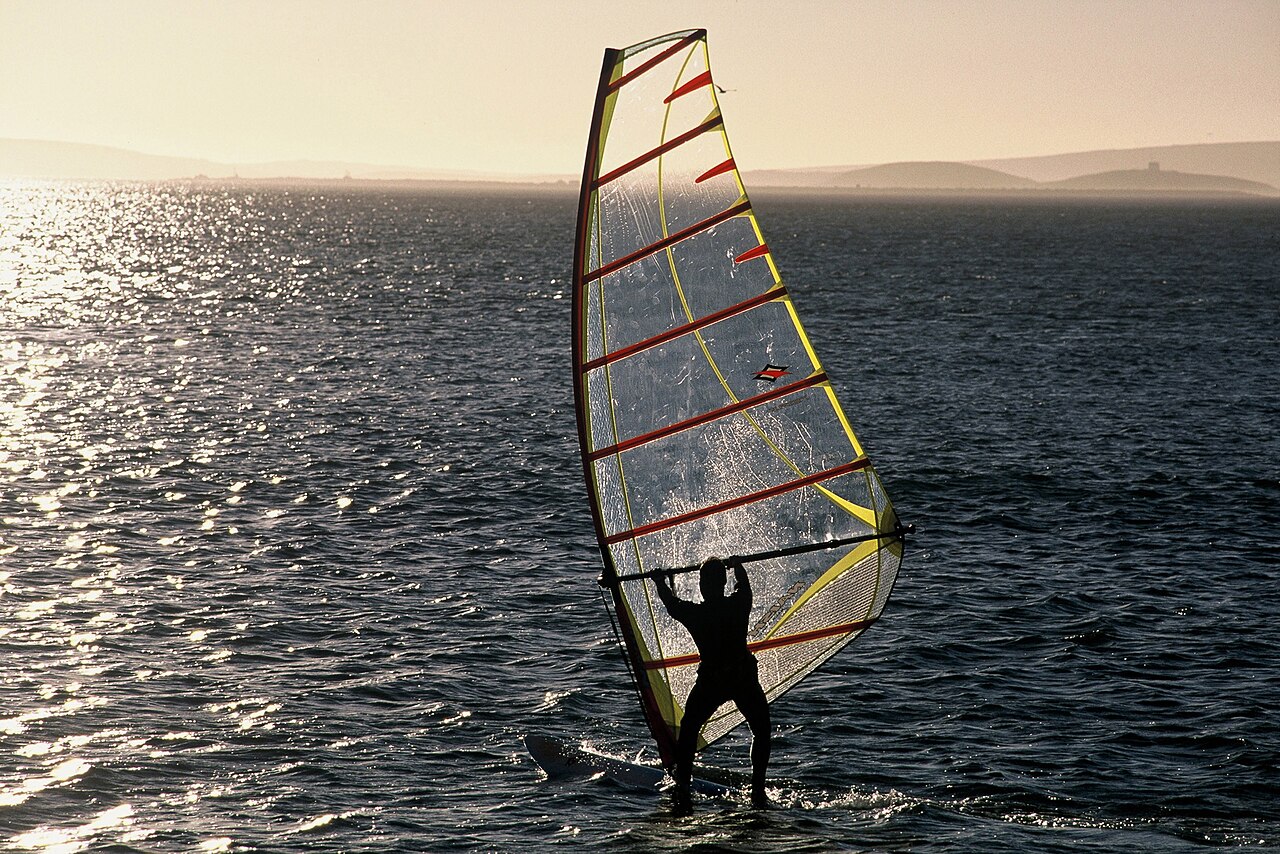
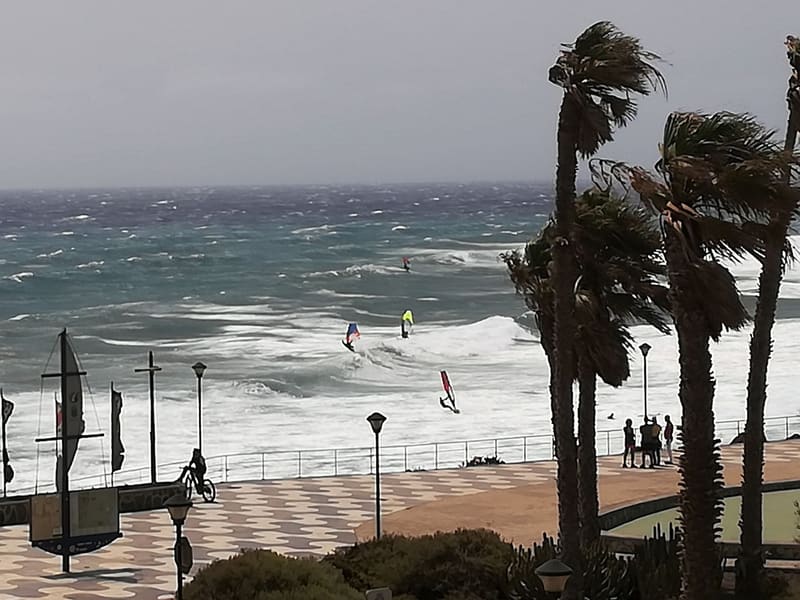
Windsurfers get shallow learning water close in and fast flat water further out. When it blows too hard for slalom on the lower lagoon, head into the park to Kraal Bay. It is shallow a long way out from a narrow strip of sand, and you pay the park entrance. Downwind foiling has a big following here, and each early summer the Wind Cup races its Downwind Dash across the lagoon. Doing a downwinder? Sort out your lift back first.
Cape Sports Center covers kite, windsurf and wing, with jet-ski assisted wing lessons. Constantly Kiting has taught since 2007, with radio coaching and a rescue boat. Windtown teaches IKO kite and wing courses by its hotel, and Flamingo is a wing school; they are not the only schools on the lagoon. December to February are the busiest months, so book ahead, or come in late September and early October, when it is much quieter. The water and the wind chill bite, so pack a 3/2 or a 4/3.
Rules and safety. The lagoon lies inside the West Coast National Park and is divided into marine zones. Marine Zone C is the exclusion zone of the lagoon: access is strictly prohibited. In Marine Zone B, only non-motorised activities such as canoeing and sailing are permitted. Beacons in the water mark the zone boundaries. For a sea rescue, dial 112 from a mobile or call the NSRI on 087 094 9774.